AR/VR Glasses Buying Guide 2026: Best Picks & What to Look For
AR/VR Glasses Buying Guide 2026: Best Picks & What to Look For
By ClicknBest Editorial Team · Updated 2026-08-07
Choosing AR/VR glasses in 2026 means sorting through a crowded field of specs, marketing claims, and price points that don't always reflect real-world performance. The market has matured around a mid-low price tier, with most competitive models clustering near $300, making it easier to spot outliers but harder to justify premium spending without clear justification. Battery life has emerged as the one area where shoppers should expect to pay above typical market rates for meaningful gains. Meanwhile, display quality, comfort, and software ecosystem vary widely even among similarly priced units. Understanding where your budget actually buys improvement—versus where it simply chases hype—is the key challenge buyers face this year.
Our Top Picks
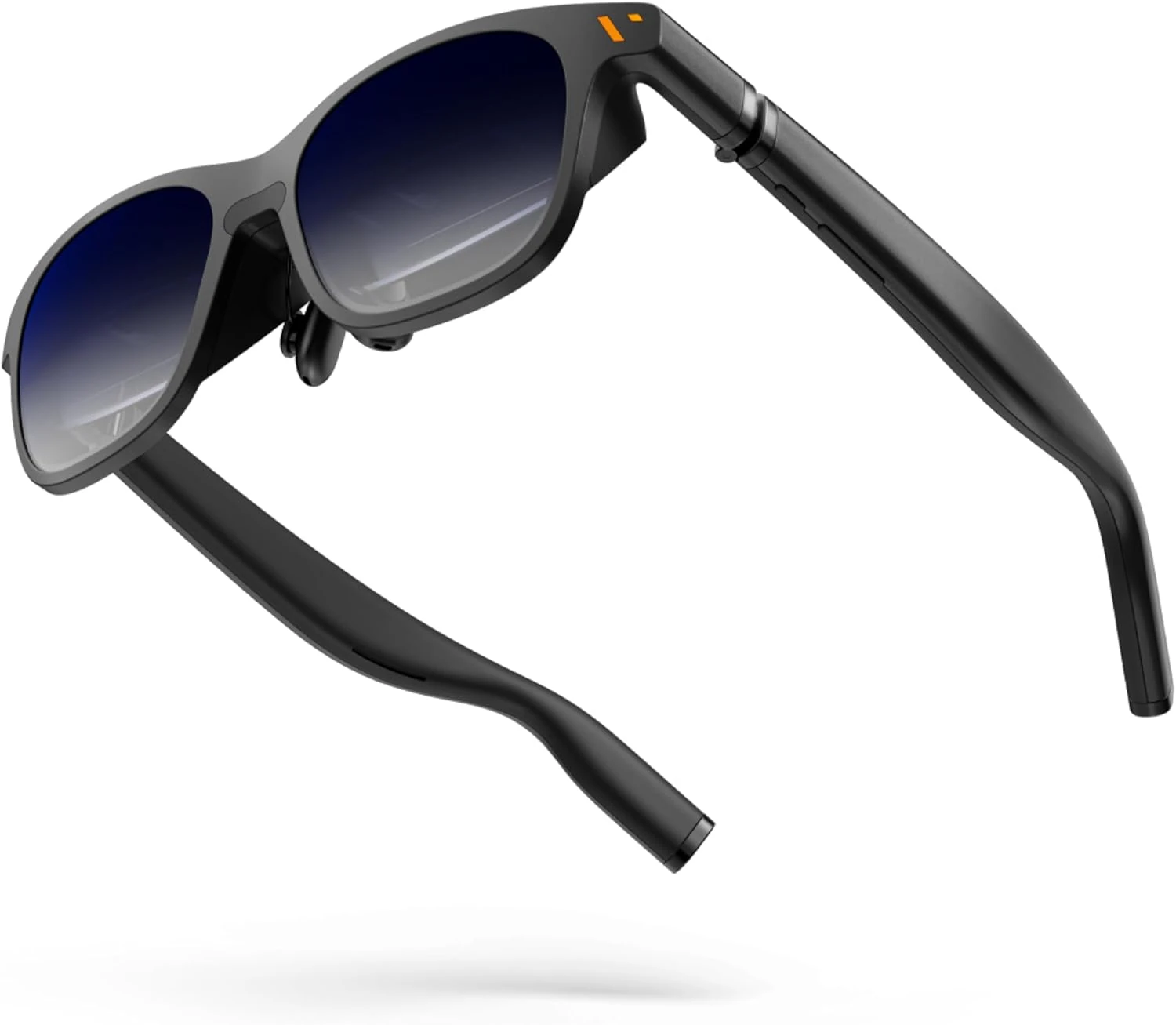
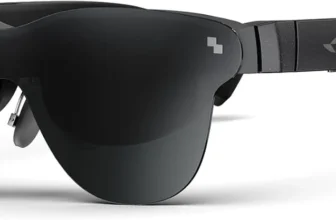
VITURE Pro XR Glasses – 135″ 120Hz Display, Harman Audio
Best for travelers and entertainment enthusiasts who want a massive, private screen experience without carrying bulky hardware. Skip it if you need perfect text clarity for detailed work or lack USB-C video output devices.
- Transforms any compatible device into a 135-inch OLED theater with smooth 120Hz visuals
- Works seamlessly with smartphones, gaming consoles, and computers through simple USB-C connection
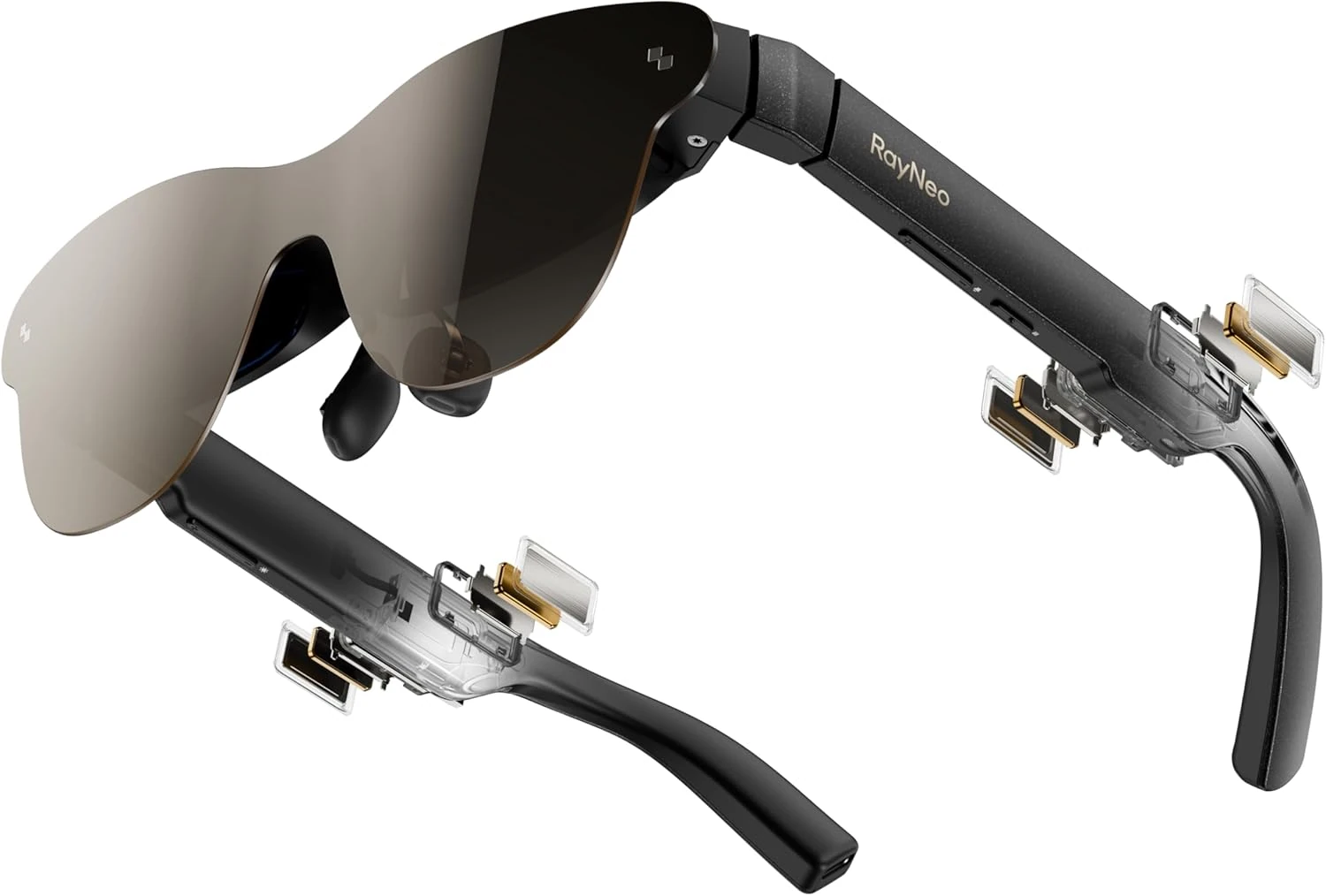
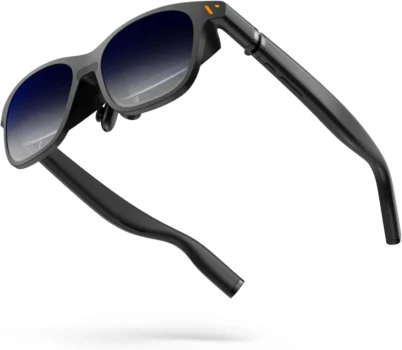
RayNeo Air 3s Pro AR Glasses – 1200 Nits, 120Hz Display
Best for entertainment and gaming enthusiasts who want a portable, immersive display with prescription lens support. Skip it if you need sharp text clarity for productivity work.
- Bright enough to see clearly even in well-lit rooms — no need to dim the lights for viewing
- Creates a massive 201-inch virtual screen that makes movies and games feel cinematic
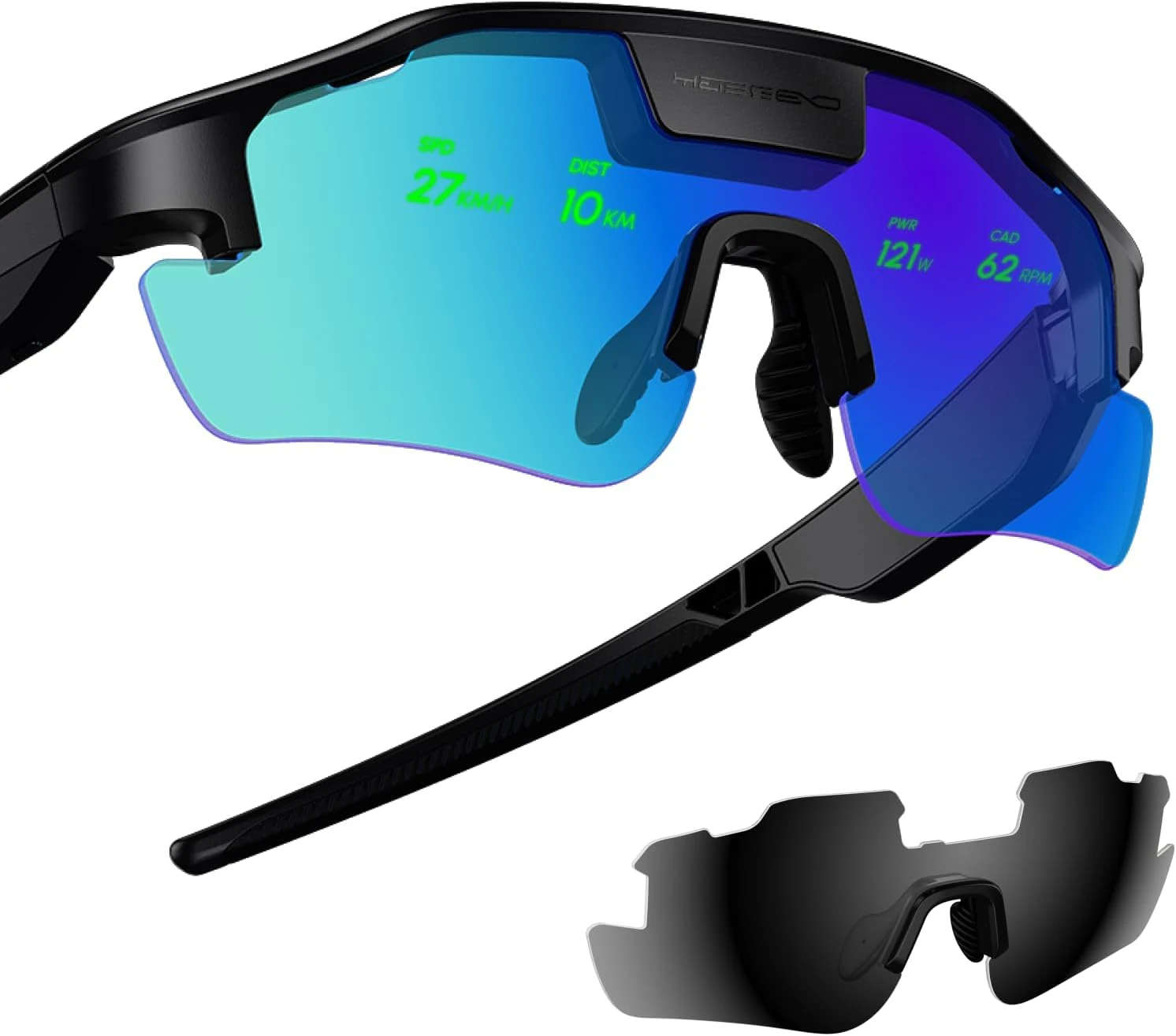
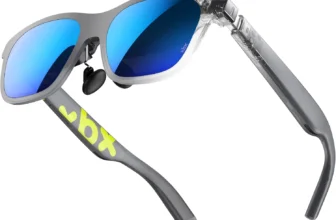
cybersight AR Glasses – HUD Display, AI Navigation
Best for cyclists and runners who need real-time performance tracking without breaking focus. Skip it if you want simple setup or run primarily on rough terrain.
- See speed, heart rate, and navigation without looking away from your path
- Lightweight design stays comfortable during long training sessions
Spec Ranges in This Category
Based on market data. Typical = median across reviewed products.
| Specification | Budget (P25) | Typical (Median) | Premium (P75) |
|---|---|---|---|
| Battery Life (hrs) | 8.0 | 8.0 | 34.0 |
| Display Resolution | 1920.0 | 1920.0 | 1920.0 |
| Field of View (°) | 50.0 | 50.0 | 57.5 |
| Refresh Rate (Hz) | 120.0 | 120.0 | 120.0 |
| Weight (g) | 63.0 | 76.0 | 84.3 |
| Prescription Compatible | No | No | Yes |
P25 = cheapest 25% of market · Median = middle · P75 = top 25%
What to Look For
At the $300 median, expect solid micro-OLED or waveguide displays, decent app support, and comfortable builds—this is the sweet spot for most users. Don't assume higher prices guarantee better battery performance; since battery life runs above typical market value, budget extra specifically for this feature if all-day use matters. Skip glasses priced well below $300 unless you're testing basic AR overlays casually. For serious productivity or entertainment use, prioritize models with proven display clarity and comfort over flashy but unproven trending features.
Frequently Asked Questions
What's a reasonable budget for AR/VR glasses in 2026?
Around $300 is the market median and represents the mid-low tier where you get the best balance of display quality, comfort, and features. Spending significantly less often means compromised optics or software; spending more should specifically target battery life or advanced tracking rather than brand premium alone.
Why is battery life priced higher than other features?
Battery life requires larger cells, better power management chips, and thermal engineering—costs that don't scale down easily. Since most glasses in this category are lightweight, manufacturers face real tradeoffs between comfort and capacity, making genuine all-day battery performance a premium, above-market feature worth paying for.
Are expensive AR/VR glasses always better?
Not necessarily. At the $300 mid-low tier, many models already deliver strong displays and comfort. Higher prices only pay off if they target specific gaps like battery life or professional-grade tracking. Without those improvements, you're often just paying for branding rather than measurable performance gains.