Coffee Makers Buying Guide 2026: Best Picks & What to Look For
Coffee Makers Buying Guide 2026: Best Picks & What to Look For
By ClicknBest Editorial Team · Updated 2026-08-09
Choosing a coffee maker in 2026 can feel overwhelming, with dozens of models flooding the market at every price point. Data shows the majority of buyers gravitate toward the mid-low price tier, with the median coffee maker now priced around $89. This shift reflects consumers seeking reliable daily performance without paying for premium extras they won't use. Programmable functionality has emerged as the standout trending feature, letting users automate brew times for busy mornings. With so many options claiming to be the best value, understanding where your budget fits within the broader market—and which features actually matter—is essential before making a purchase decision.
Our Top Picks
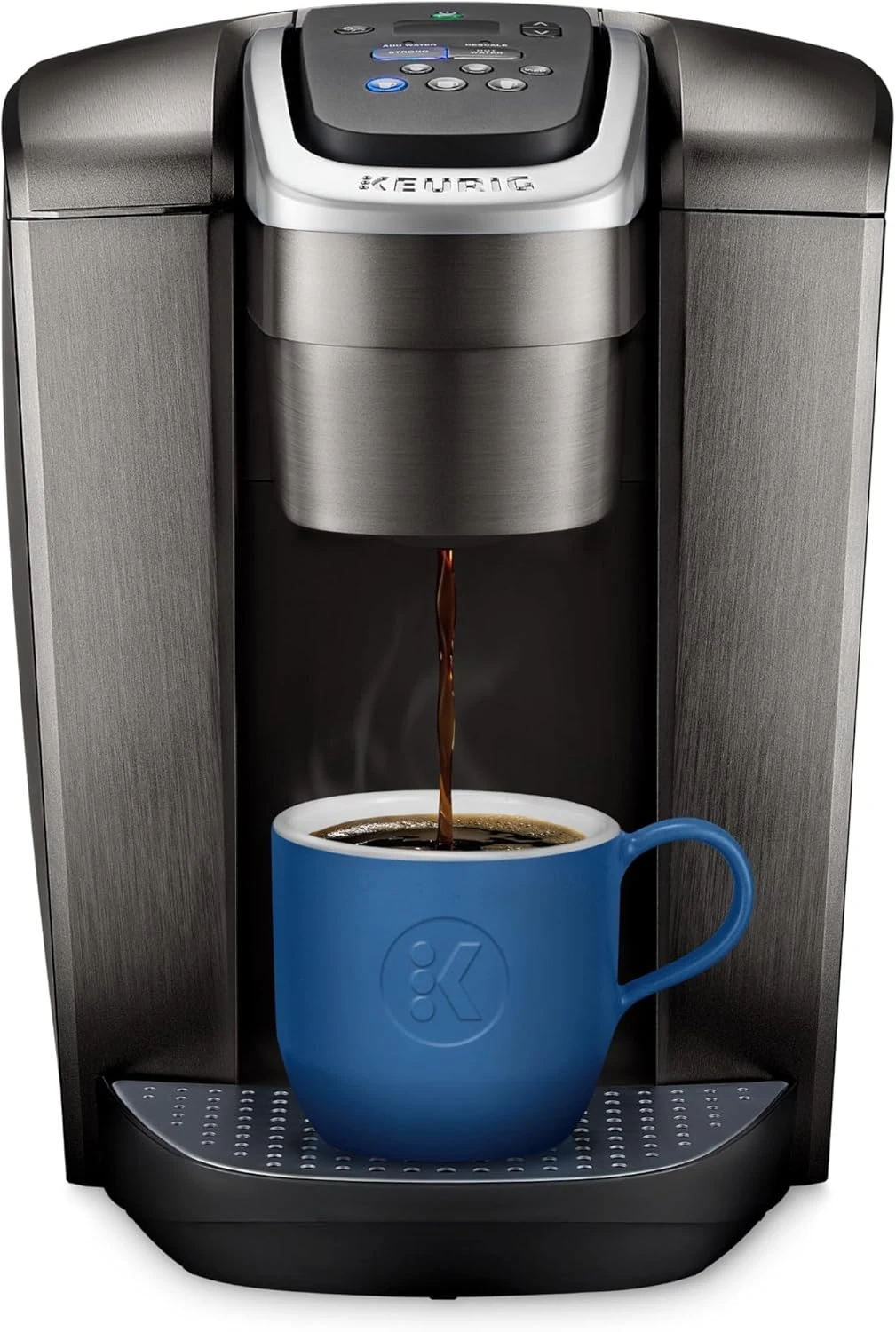
Keurig K-Elite Coffee Maker – Strength & Temp Control
Best for busy individuals who want customizable single-serve coffee with minimal daily hassle. Skip it if you need commercial durability or want to avoid ongoing pod costs.
- Multiple cup sizes and hot water on demand — perfect for coffee, tea, or instant meals
- Large 75oz reservoir means fewer refills during your busy week
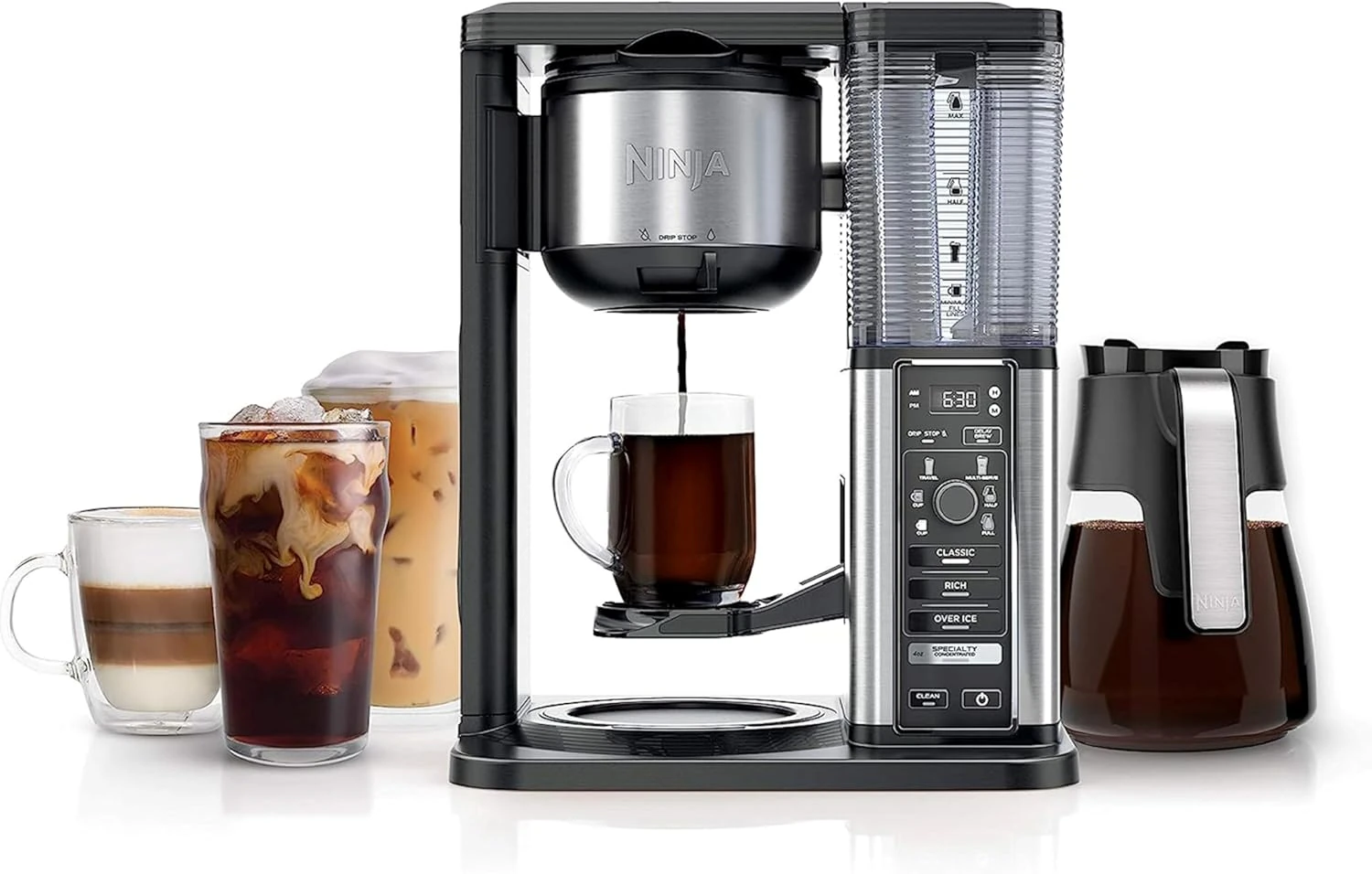
Ninja Coffee Maker – 10-Cup Carafe, 6 Brew Styles
Best for households that want one coffee maker for both single cups and full-carafe brewing, with programmable settings and easy cleanup. Skip it if you need a thermal carafe, extended keep-warm performance, or a compact footprint.
- Brew one cup before work or a full 10-cup carafe for the whole house, no need for a second machine or pods.
- Six brew sizes and four brew styles, including iced and specialty drinks, let you match the machine to your mood.
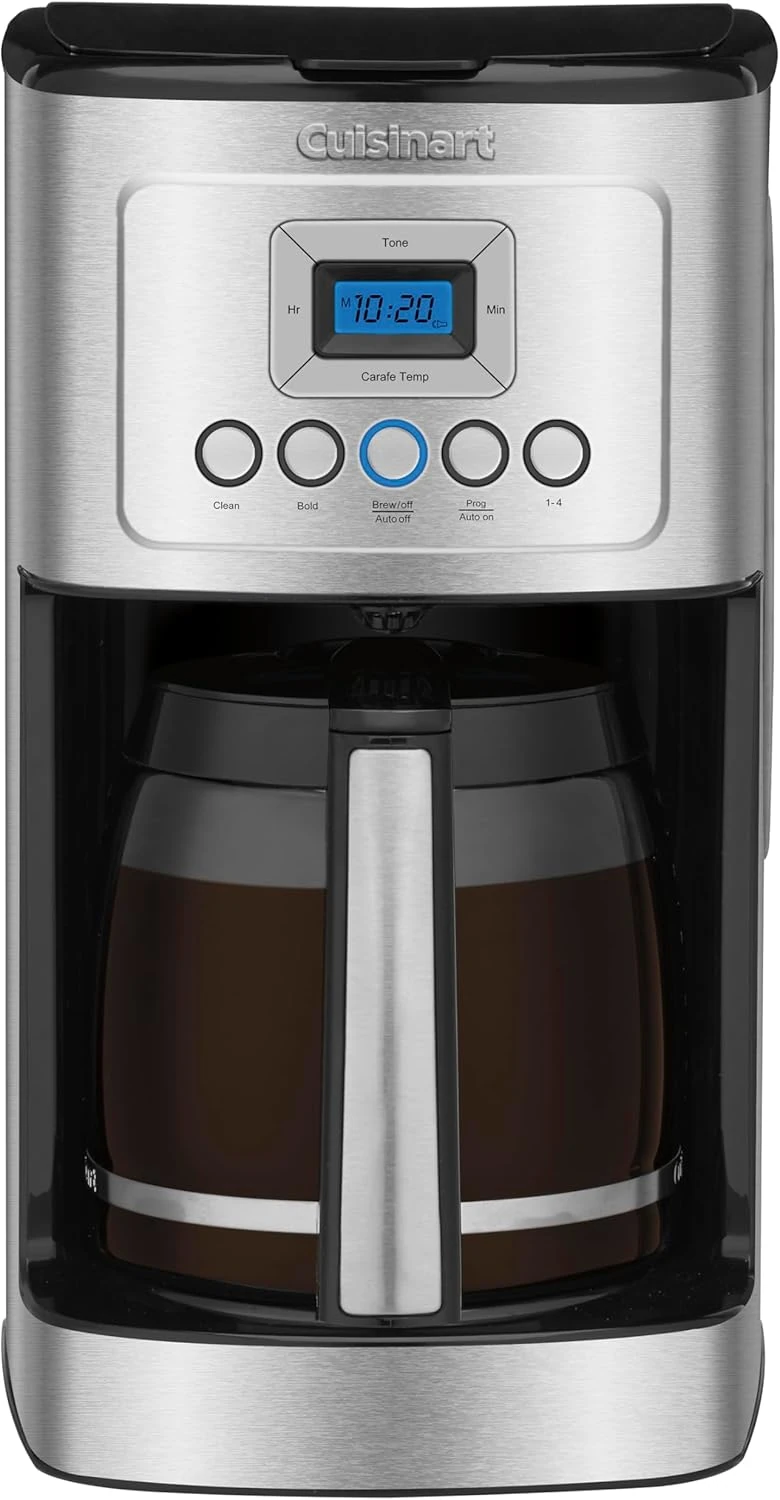
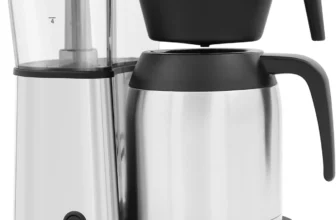
Cuisinart Coffee Maker – 14-Cup, Programmable, Stainless
Best for families and offices that prioritize large-batch brewing convenience over precision timing. Skip it if you need exact programmable accuracy or prefer lightweight, easy-pour carafes.
- Brews enough coffee for large families or office meetings — no need for multiple pots
- Set it the night before and wake up to fresh, hot coffee with adjustable warming control
Spec Ranges in This Category
Based on market data. Typical = median across reviewed products.
| Specification | Budget (P25) | Typical (Median) | Premium (P75) |
|---|---|---|---|
| Capacity (L) | 2.84 | 2.84 | 2.84 |
| Keep Warm | No | No | No |
| Single Serve | No | No | Yes |
| Programmable | No | Yes | Yes |
| Price ($) | $45 | $89 | $145 |
P25 = cheapest 25% of market · Median = middle · P75 = top 25%
What to Look For
With the median price sitting at $89, most shoppers should expect solid performance in the mid-low tier without needing to overspend. Since no models currently sit meaningfully above or below this range, the market is fairly balanced—meaning extra dollars spent don't guarantee dramatically better quality. Prioritize programmable features, as this is the clearest trending upgrade buyers are gravitating toward. Focus on capacity (10-cup vs. 14-cup) based on household size, and compare warranty terms and brew customization options rather than chasing premium price tags that may not deliver proportional value.
Frequently Asked Questions
What is the average price for a good coffee maker in 2026?
The current market median sits at $89, placing most quality coffee makers in the mid-low price tier. This price point typically includes reliable brewing performance, decent capacity, and increasingly, programmable features. Spending significantly more doesn't always guarantee better results, since the market is currently concentrated around this affordable range.
Is a programmable coffee maker worth the extra cost?
Yes, programmable features are the top trending option in 2026, allowing users to schedule brewing in advance. This convenience is increasingly standard even in mid-low tier models, so buyers can enjoy automated mornings without necessarily paying a premium price above the $89 median.
Should I choose a 10-cup or 14-cup coffee maker?
Capacity depends on household size and consumption habits. 10-cup models suit individuals or couples, while 14-cup options work better for families or entertaining. Both sizes are available within the mid-low price tier, so capacity shouldn't significantly increase your budget.