Microphones Buying Guide 2026: Best Picks & What to Look For
Microphones Buying Guide 2026: Best Picks & What to Look For
By ClicknBest Editorial Team · Updated 2026-08-10
Choosing a microphone in 2026 can feel overwhelming with dozens of models flooding the market at wildly different price points. Data shows the premium tier now dominates buyer preferences, with a median price hovering around $79, signaling that shoppers are prioritizing build quality and performance over rock-bottom pricing. USB connectivity has emerged as the standout trending feature, reshaping expectations for plug-and-play convenience. Meanwhile, sensitivity ratings in dB are increasingly undervalued in marketing despite their real impact on recording quality. Navigating these shifting priorities requires understanding what actually matters versus what's simply trending, making an informed, data-backed approach essential before you spend a single dollar.
Our Top Picks
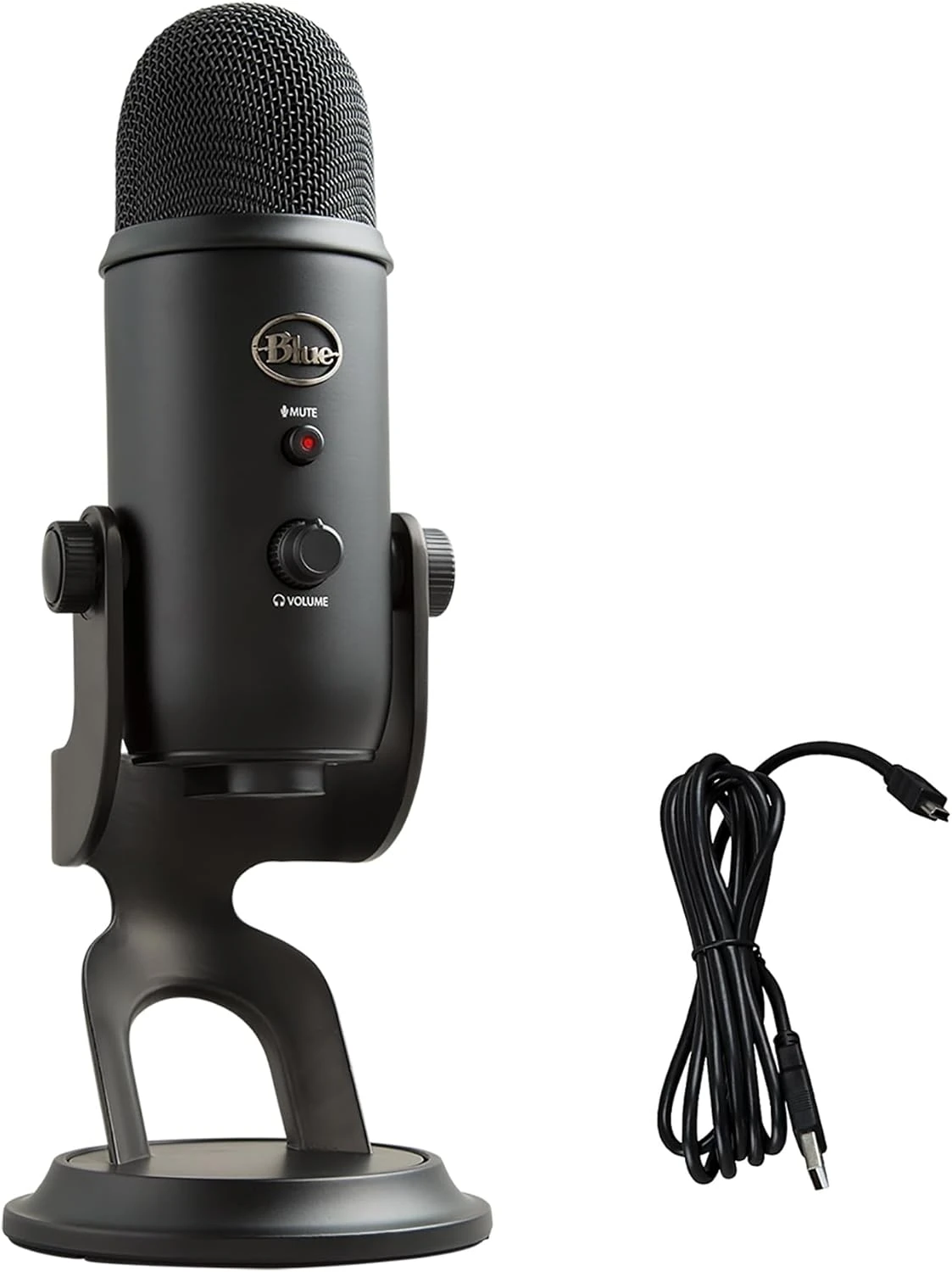
Logitech Blue Yeti USB Microphone – Studio Sound, Plug & Play
Excellent choice for content creators and streamers who want professional sound quality with plug-and-play simplicity. Skip it if you need guaranteed long-term reliability for critical business use.
- Delivers broadcast-quality audio that makes your content sound professional from day one
- Four pickup patterns let you record solo podcasts, group discussions, or interviews without buying separate mics
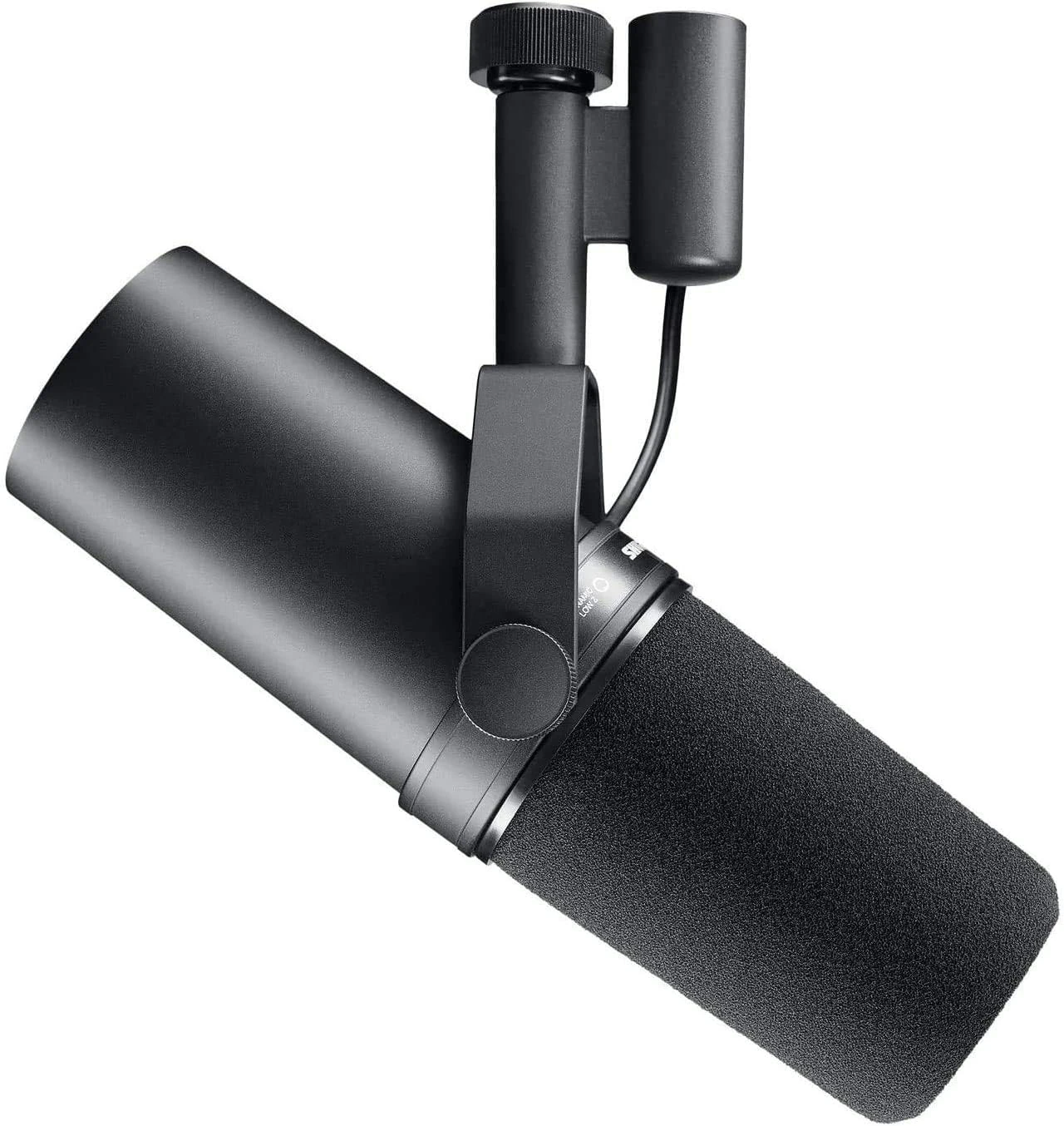
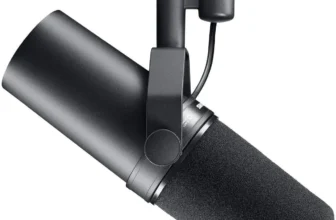
Shure SM7B Dynamic Microphone – XLR, Wide Frequency Range
Best for podcasters, broadcasters, and studio professionals who want clear vocals and reliable noise rejection when paired with proper gear. Skip it if you need a simple plug-and-play USB setup or lack a high-gain preamp.
- The unidirectional polar pattern keeps background noise out, so your voice stays the focus of the recording.
- A wide frequency response captures detailed, natural vocal tone.
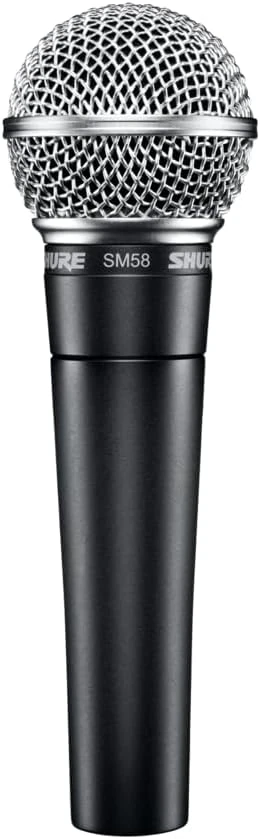
Shure SM58 Dynamic Microphone – Cardioid, 25ft XLR Cable, Cardioid Mic
Best for vocalists and speakers who need durable, clear, consistent sound in live or studio settings with XLR gear on hand. Skip it if you need USB or wireless connectivity.
- Cardioid pickup pattern keeps background noise out, so your voice stays the focus
- Metal construction holds up to touring, drops, and daily live-use wear
Spec Ranges in This Category
Based on market data. Typical = median across reviewed products.
| Specification | Budget (P25) | Typical (Median) | Premium (P75) |
|---|---|---|---|
| Sensitivity (dB) | 15.0 | 45.0 | 100.0 |
| Item Weight (g) | 239.0 | 453.6 | 1267.35 |
| USB Connection | No | Yes | Yes |
| XLR Connection | No | No | Yes |
| Wireless | No | No | Yes |
| Price ($) | $35 | $79 | $117 |
P25 = cheapest 25% of market · Median = middle · P75 = top 25%
What to Look For
With the premium tier dominating the microphone market and a median price around $79, budget accordingly if you want features buyers are prioritizing today. USB connection has become a near-standard expectation, so prioritize models offering it for seamless setup with computers and streaming software. Interestingly, sensitivity in dB remains undervalued compared to market pricing, meaning attentive buyers can find microphones with excellent sensitivity specs without paying inflated premiums. Focus your budget on USB connectivity and verified sensitivity performance rather than flashy marketing claims, and you'll likely land a microphone that outperforms its price point.
Frequently Asked Questions
Is a USB microphone better than an XLR microphone for beginners?
For most beginners, USB microphones are better since they connect directly to computers without needing an audio interface or mixer. They're simpler to set up and still deliver excellent sound quality. XLR microphones offer more flexibility and often better audio fidelity but require additional equipment, making them better suited for users planning to expand their setup later.
Why does the median price hover around $79 for quality microphones?
The $79 median reflects where manufacturers balance component quality, build durability, and features like USB connectivity without pushing into professional studio pricing. This price point typically includes solid sensitivity performance and reliable construction, making it the sweet spot where most premium-tier microphones deliver strong value for everyday recording, streaming, and podcasting needs.
How important is sensitivity (dB) when choosing a microphone?
Sensitivity in dB directly affects how well a microphone captures quiet or distant sounds without requiring excessive gain, which can introduce noise. Despite being undervalued in marketing, it's crucial for clear, natural recordings. Buyers should actively check sensitivity specs rather than relying solely on price or brand reputation when making a purchase decision.